

Information regarding COVID 19, coronavirus.
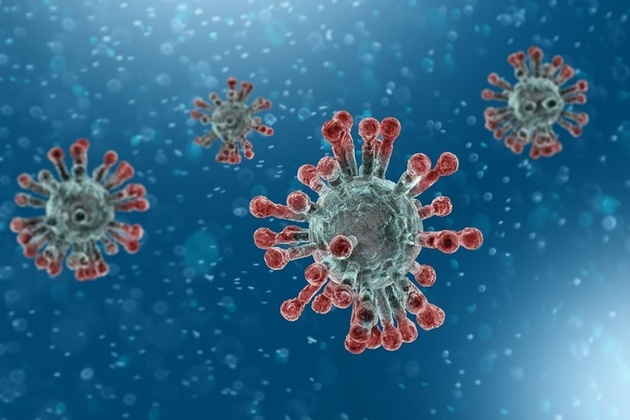
Information regarding COVID 19, coronavirus.
Assembled by Touchscreen Talent Limited for clients as of 26/2/2020
There is lots of information on the internet advising the public on this matter. To save you time, we have sifted the employer-relevant materials from NHS, Gov.UK and Public Health England sources.
Some of this information is repeated or re-iterated in greater depth.
This could be classified as a global pandemic and is a dynamic situation, so listen to news broadcasts and if the UK Medical Officers raise the risk re-visit the quoted websites for an update.
Remember; you have a duty of care to yourselves, your family, to your business viability, to your employees and also a public duty as well; assess all of these aspects of advice and take the right decision for YOU.
In the event of mandatory isolation or medically advised self-isolation there is no legal obligation to do anything other than follow statutory regulation on sickness pay (SSP) or contractual agreement on absence (CSP) if this written into your contracts.
Do not put your business at risk by encouraging ‘presenteeism’ or allowing potential carriers to infect your teams because they do not want to lose pay.
NHS ADVICE
https://www.nhs.uk/conditions/coronavirus-covid-19/ Updated 25/2/20
Overview – Coronavirus (COVID-19)
Coronavirus (COVID-19) is a new illness that can affect your lungs and airways.
What’s the risk of catching coronavirus in the UK?
The UK Chief Medical Officers have raised the risk to the public from low to moderate. But the risk to individuals remains low.
Health professionals are working to contact anyone who has been in close contact with people who have coronavirus.
Symptoms of coronavirus
The symptoms of coronavirus are:
- a cough
- a high temperature
- shortness of breath
But these symptoms do not necessarily mean you have the illness.
The symptoms are similar to other illnesses that are much more common, such as cold and flu.
Urgent advice: Call 111 now if you’ve been:
- to Hubei province in China in the last 14 days
- to Iran, areas of northern Italy in lockdown or “special care zone” areas in South Korea since 19 February
- to other parts of mainland China or South Korea, Thailand, Japan, Hong Kong, Taiwan, Singapore, Malaysia or Macau in the last 14 days and have a cough, high temperature or shortness of breath
- to other parts of northern Italy (anywhere north of Pisa, Florence and Rimini), Vietnam, Cambodia, Laos or Myanmar since 19 February and have a cough, high temperature or shortness of breath
- in close contact with someone with confirmed coronavirus
Do not go to a GP surgery, pharmacy or hospital. Call 111, stay indoors and avoid close contact with other people.
There are lockdown areas in northern Italy and special care zones in South Korea
How coronavirus is spread
Because it’s a new illness, we do not know exactly how coronavirus spreads from person to person.
Similar viruses are spread in cough droplets.
It’s very unlikely it can be spread through things like packages or food. Viruses like coronavirus cannot live outside the body for very long.
How to avoid catching or spreading germs
There are things you can do to help stop viruses like coronavirus spreading.
Do
- cover your mouth and nose with a tissue or your sleeve (not your hands) when you cough or sneeze
- put used tissues in the bin immediately
- wash your hands with soap and water often – use hand sanitiser gel if soap and water are not available
- try to avoid close contact with people who are unwell
Don’t
- do not touch your eyes, nose or mouth if your hands are not clean.
Do I need to avoid public places?
Most people can continue to go to work, school and other public places.
You only need to stay away from public places if you’ve been:
- to Hubei province in China in the last 14 days
- to Iran, areas of northern Italy in lockdown or “special care zone” areas in South Korea since 19 February
- to other parts of mainland China or South Korea, Thailand, Japan, Hong Kong, Taiwan, Singapore, Malaysia or Macau in the last 14 days and have a cough, high temperature or shortness of breath
- to other parts of northern Italy (anywhere north of Pisa, Florence and Rimini), Vietnam, Cambodia, Laos or Myanmar since 19 February and have a cough, high temperature or shortness of breath
- in close contact with someone with confirmed coronavirus
Treatment for coronavirus
There is currently no specific treatment for coronavirus.
Antibiotics do not help, as they do not work against viruses.
Treatment aims to relieve the symptoms while your body fights the illness.
You’ll need to stay in isolation away from other people until you’ve recovered.
Further information
- NHS: answers to common questions about coronavirus
- GOV.UK information on coronavirus and the situation in the UK
- GOV.UK foreign travel advice
GOV.UK ADVICE
https://www.gov.uk/guidance/wuhan-novel-coronavirus-information-for-the-public Updated 24/2/20
Situation in the UK
Number of cases
As of 26 February, a total of 7,132 people have been tested in the UK, of which 7,119 were confirmed negative and 13 positive.
The Department of Health and Social Care will be publishing updated data on this page every day at 2pm until further notice. If more cases are confirmed in the UK, it will be announced as soon as possible by the Chief Medical Officer of the affected country.
Risk level
Based on the World Health Organization’s declaration that this is a public health emergency of international concern, the UK Chief Medical Officers have raised the risk to the UK from low to moderate. This permits the government to plan for all eventualities.
We have been working in close collaboration with international colleagues and the World Health Organization to monitor the situation in China and around the world.
Returning travellers
Based on the scientific advice of the Scientific Advisory Group for Emergencies (SAGE) the UK Chief Medical Officers are advising anyone who has travelled to the UK from mainland China, Thailand, Japan, Republic of Korea, Hong Kong, Taiwan, Singapore, Malaysia or Macau in the last 14 days and is experiencing cough or fever or shortness of breath, to stay indoors and call NHS 111, even if symptoms are mild.
We are carrying out enhanced monitoring of direct flights from these areas. Passengers will be told how to report any symptoms they develop during the flight, at the time of arrival, or after leaving the airport.
These areas have been identified because of the volume of air travel from affected areas, understanding of other travel routes and number of reported cases. This list will be kept under review.
If you have returned from these specific areas since 19 February, you should call NHS 111 and stay indoors and avoid contact with other people even if you do not have symptoms:
- Iran
- specific lockdown areas in northern Italy as designated by the Government of Italy
- ‘special care zones’ in South Korea as designated by the Government of the Republic of South Korea
- Hubei province (returned in the past 14 days)
If you have returned from these areas since 19 February and develop symptoms, however mild, you should stay indoors at home and avoid contact with other people immediately and call NHS 111. You do not need to follow this advice if you have no symptoms.
- northern Italy (anywhere north of Pisa, Florence and Rimini)
- Vietnam
- Cambodia
- Laos
- Myanmar
Health protection regulations
The Health Protection (Coronavirus) Regulations 2020 have been put in place to reduce the risk of further human-to-human transmission in this country by keeping individuals in isolation where public health professionals believe there is a reasonable risk an individual may have the virus.
Information about the virus
A coronavirus is a type of virus. As a group, coronaviruses are common across the world. Typical symptoms of coronavirus include fever and a cough that may progress to a severe pneumonia causing shortness of breath and breathing difficulties.
Generally, coronavirus can cause more severe symptoms in people with weakened immune systems, older people, and those with long-term conditions like diabetes, cancer and chronic lung disease.
Novel coronavirus (COVID-19) is a new strain of coronavirus first identified in Wuhan City, China.
- northern Italy (anywhere north of Pisa, Florence and Rimini)
- Vietnam
- Cambodia
- Laos
- Myanmar
Advice for travellers
British people travelling and living overseas following the outbreak of novel coronavirus should check the Foreign and Commonwealth Office travel advice.
The Foreign and Commonwealth Office has advised UK nationals to leave China where possible. If the situation continues to escalate the pressure on the Chinese health system may intensify, and it may also become harder for people to travel.
This change does not affect our advice for those returning from Wuhan or mainland China.
Travellers from Wuhan and Hubei Province and other specified areas
If you have travelled from:
- Iran
- specific lockdown areas in northern Italy as designated by the Government of Italy
- ‘special care zones’ in South Korea as designated by the Government of the Republic of South Korea
- Hubei province (returned in the past 14 days)
You should immediately:
- stay indoors and avoid contact with other people as you would with the flu
- call NHS 111 to inform them of your recent travel to the area
Please follow this advice even if you do not have symptoms of the virus.
Lockdown areas in northern Italy:
- in Lombardy: Codogno, Castiglione d’Adda, Casalpusterlengo, Fombio, Maleo, Somaglia, Bertonico, Terranova dei Passerini, Castelgerundo and San Fiorano
- in Veneto: Vo’ Euganeo
Special care zones in South Korea:
- Daegu
- Cheongdo
Travellers from other parts of China and other specified areas
This advice applies to travellers who have returned to the UK from the following areas:
- China
- Thailand
- Japan
- Republic of Korea
- Hong Kong
- Taiwan
- Singapore
- Malaysia
- Macau
If you have returned to the UK from any of these areas in the last 14 days and develop symptoms of cough or fever or shortness of breath, you should immediately:
- stay indoors and avoid contact with other people as you would with the flu
- call NHS 111 to inform them of your recent travel to the country
Please follow this advice even if your symptoms are minor.
If you have returned from these areas since 19 February and develop symptoms please follow this advice. You do not need to follow this advice if you have no symptoms:
- northern Italy (anywhere north of Pisa, Florence and Rimini)
- Vietnam
- Cambodia
- Laos
- Myanmar
Read more about what you should do if you’re asked to self-isolate.
Summary of action taken
We have introduced advanced monitoring at airports with direct flights from China.
A team of public health experts has been established in Heathrow to support anyone travelling in from China who feels unwell. These hubs will bring in rotational teams of 7 clinicians, working in shifts, who will be on hand to support patients on arrival. This is in addition to medical staff who are already permanently in place at all UK airports and the advice issued to all UK airports for people travelling to and from China.
The government has issued clinical guidance for the detection and diagnosis of novel coronavirus (COVID-19), and infection prevention and control.
The Chief Medical Officer, Medical Director at PHE and Medical Director at NHSE/I have issued advice via a CAS (Central Alerting System) alert to frontline staff to increase awareness of the situation and any actions to take.
Most people who develop symptoms will get them after leaving the airport and so the priority is providing UK residents and travellers with the latest information to make sure they know what to do if they experience symptoms, and the NHS and PHE have an established plan to respond to someone who becomes unwell.
China has also introduced port-of-exit screening so people already exhibiting symptoms are not allowed to leave the country.
Diagnosis and analysis
Based on current evidence, novel coronavirus (COVID-19) presents with flu-like symptoms including a fever, a cough, or difficulty breathing. The current evidence is that most cases appear to be mild. Those who have died in Wuhan appear to have had pre-existing health conditions.
The UK is now one of the first countries outside China to have a prototype specific laboratory test for this new disease. Healthcare professionals who are contacted by a patient with symptoms following travel to Wuhan have been advised to submit samples to PHE for testing. Individuals should be treated in isolation
After the experience of severe acute respiratory syndrome (SARS) in 2003, PHE developed a series of diagnostic tests to detect any member of the family of coronaviruses. These have been used for several years and were able to detect the first UK case of Middle East respiratory syndrome (MERS) in 2012.
With the first reported publication of the genome sequence of a 2019 novel coronavirus, PHE was able to rapidly develop further specific tests for this virus, working with WHO and global network of laboratories.
When a clinician suspects novel coronavirus (COVID-19), they take samples from the nose, throat and deeper respiratory samples, package and send them safely to PHE Colindale. PHE can provide a laboratory result from this specific virus on the same working day.
PHE also has the capability to sequence the viral genome and compare this to published sequences from China, if a case occurs. This will provide valuable information on any mutations in the virus over time and allow an improved understanding of how it spreads.
PUBLIC HEALTH ENGLAND ADVICE
Guidance to assist professionals in advising the general public
Updated 25 February 2020
If you have lived with or had close contact (within 2 metres for 15 minutes or more) with a confirmed case of COVID-19, you should contact NHS 111 for further advice.
1. Preventing spread of infection
There are general principles you can follow to help prevent the spread of respiratory viruses, including:
- wash your hands often – with soap and water for at least 20 seconds. Use an alcohol-based hand sanitiser that contains at least 60% alcohol if soap and water are not available. This is particularly important after taking public transport
- avoid touching your eyes, nose, and mouth with unwashed hands
- avoid close contact with people who are sick
- if you feel unwell, stay at home, do not attend work or school
- cover your cough or sneeze with a tissue, then throw the tissue in a bin. See Catch it, Bin it, Kill it
- clean and disinfect frequently touched objects and surfaces in the home and work environment
- if you are worried about your symptoms, please call NHS 111. Do not go directly to your GP or other healthcare environment
- see further information and the Public Health England Blog
There is currently no vaccine to prevent COVID-19 acute respiratory disease. The best way to prevent infection is to avoid being exposed to the virus.
2. Actions on return from China and specified countries and areas
In addition to China, specified countries are listed in the specified countries and areas.
If you have lived with or had close contact (within 2 metres for 15 minutes or more) with a confirmed case of COVID-19, you should contact NHS 111 for further advice.
For healthcare professionals who have travelled to specified countries or areas, please follow the specific guidance for health care workers.
| Category 1 countries/areas | Category 2 countries/areas |
| Wuhan city and Hubei Province | Cambodia |
| Iran | China* |
| Daegu or Cheongdo (Republic of Korea) | Hong Kong |
| Any Italian town under containment measures | Italy: north |
| Japan | |
| Laos | |
| Macau | |
| Malaysia | |
| Myanmar | |
| Republic of Korea* | |
| Singapore | |
| Taiwan | |
| Thailand | |
| Vietnam |
2.1 If you have returned from anywhere in Category 1 specified countries and areas in the last 14 days
If you are currently well:
- stay indoors and avoid contact with other people as you would with flu viruses. You can find more information about how to do this
- call NHS 111 to inform them of your recent travel to the area
- your family do not need to take any precautions or make any changes to their own activities
If you become unwell:
- please call NHS 111 immediately in order for you to be assessed by an appropriate specialist in hospital, as quickly as possible
- follow the home isolation advice sheet
2.2 If you have returned from Category 2 specified countries and areas in the last 14 days
If you are well:
- you do not need to avoid contact with other people
- your family do not need to take any precautions or make any changes to their own activities
If you become unwell:
- stay indoors and avoid contact with other people as you would with other flu viruses.
- follow this home isolation advice sheet
- call NHS 111 immediately in order for you to be assessed by an appropriate specialist in hospital, as quickly as possible
3. Symptoms and what to do
You should look for any of the following symptoms in the 14 days after the day you return from specified countries and areas:
- cough
- difficulty in breathing
- fever (a temperature of 38 degrees C or higher)
If you have any of these symptoms, you should:
- if it is an emergency, call 999 and tell them which country you have returned from in the last 14 days
- if you are unwell, but it is not an emergency, call NHS 111 and tell them which country you have returned from in the last 14 days
Whilst you await further advice from NHS 111:
- avoid contact with others
- stay at home, do not attend work or school
- do not travel while sick
- cover your mouth and nose with a tissue or your sleeve (not your hands) when coughing or sneezing. Throw tissues in the bin
- wash hands often with soap and water for at least 20 seconds. Use an alcohol-based hand sanitiser if soap and water are not available
4. Feeling unwell while away from home
Do not go to your GP, pharmacy, urgent care centre or a hospital if you become unwell. Instead call NHS 111, or 999 if an emergency (if you are seriously ill or injured or your life is at risk) and tell them which country you have returned from in the last 14 days.
Whilst you wait for advice from NHS 111 or an ambulance to arrive, try to find somewhere safe to sit where you are away from other people, and avoid touching people, surfaces and objects. Cover your mouth and nose with a disposable tissue when you cough or sneeze and put the tissue in your bag or pocket. then throw the tissue in the bin. If you don’t have any tissues available, cough and sneeze into the crook of your elbow.
4.1 On public transport
If you become ill whilst on public transport, stop your journey when you are able to do so and stay where you are and call NHS 111, or 999 if an emergency (if you are seriously ill or injured or your life is at risk), and tell them which country you have returned from in the last 14 days.
If you become unwell whilst at an airport, bus station or train station before a long journey, seek medical help as above and do not start or continue your journey.
4.2 In outdoor public spaces
If you are outside in an open space when you become unwell, stay where you are and call NHS 111, or 999 if an emergency (if you are seriously ill or injured or your life is at risk). Tell them which country you have returned from in the last 14 days.
4.3 Leisure activities
For example, at shops, restaurants, gyms, cinemas, theatres, and sporting events.
Speak to a member of staff, keeping at least 2 metres distance from them to reduce the risk of spreading infection. Ask them to find a room or area where you can isolate yourself behind a shut door, such as a changing room or staff office. If it’s possible to open a window, do so for ventilation.
Call NHS 111, or 999 if an emergency (if you are seriously ill or injured or your life is at risk) and tell them which country you have returned from in the last 14 days.
4.4 Places of worship
Isolate yourself behind a shut door if there is a room or area available. If it’s possible to open a window, do so for ventilation. If there is nowhere you can isolate yourself, return to your place of residence by the most direct route. Call NHS 111, or 999 if an emergency (if you are seriously ill or injured or your life is at risk) and tell them which country you have returned from in the last 14 days.
4.5 Educational settings
Keep 2 metres away from others and if possible, find a room or area where you can isolate yourself behind a shut door, such as a staff office or unused classroom. Make sure that children know to tell a teacher if they feel unwell. If it’s possible to open a window, do so for ventilation. If you need to go to the bathroom whilst waiting for medical assistance, use a separate bathroom if available.
Call NHS 111, or 999 if an emergency (if you are seriously ill or injured or your life is at risk) and tell them which country you have returned from in the last 14 days.
People who have returned from Category 1 specified countries and areas, in the last 14 days should avoid attending school, work or university. People who have returned from Category 2 specified countries and areas in the last 14 days, are advised to stay at home if they develop symptoms. All other students should continue to attend school or university.
4.6 At work (non-clinical settings)
People who have returned from Category 1 specified countries and areas should not attend work for 14 days after their arrival.
Find a room where you can isolate yourself away from others and shut the door. If it’s possible to open a window, do so for ventilation. If you need to go to the bathroom whilst waiting for medical assistance, use a separate bathroom if available. See below for advice on cleaning workspaces.
Call NHS 111, or 999 if an emergency (if you are seriously ill or injured or your life is at risk) and tell them which country you have returned from in the last 14 days.
4.7 With friends and family
Find a room where you can isolate yourself away from others and shut the door. If it’s possible to open a window, do so for ventilation. If you need to go to the bathroom whilst waiting for medical assistance, use a separate bathroom if available.
Call NHS 111, or 999 if an emergency (if you are seriously ill or injured or your life is at risk) and tell them which country you have returned from in the last 14 days.
It is important not to get too close to other people if you become ill – try to maintain 2 metres distance between yourself and others in order to reduce the risk of transmitting infection.
There are no restrictions for contacts of people who have recently been to Category 2 specified countries and areas and are well.
If someone is unwell in the household and has recently returned from specified countries and areas, please phone NHS 111 for further advice.
4.8 Mass gatherings
If you have returned from Category 1 specified countries and areas, in the last 14 days you should avoid mass gatherings. The risk to the general public attending mass gatherings is very low.
4.9 Post, packages, take-away food
The virus does not survive well for long periods outside the body and so it is highly unlikely that COVID-19 can be spread through post or packages.
It is highly unlikely that COVID-19 can be spread through food.
5. Cleaning shared spaces
If a person becomes ill in a shared space, these should be cleaned using disposable cloths and household detergents. Wash your hands after cleaning.